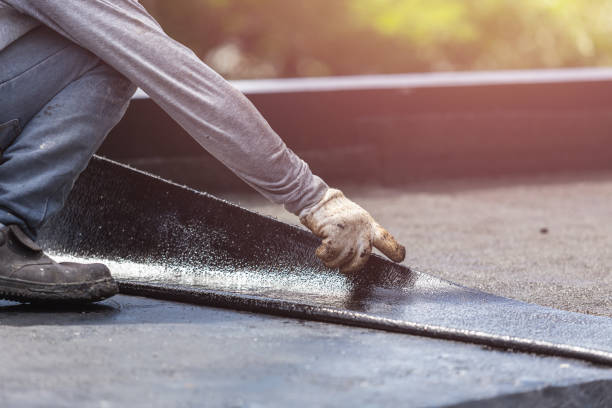
A vapor barrier is a polyethylene sheeting system installed on the ground and walls of a crawl space or basement to block ground moisture from migrating into the structural environment above. Understanding what a proper vapor barrier consists of, however, goes well beyond simply laying plastic on the floor.
Standard 6-mil poly sheeting has a relatively high vapor permeance rating, meaning it allows some moisture vapor to pass through over time, particularly as it ages and develops micro-perforations from foot traffic and environmental factors. For most homes in Spring Valley, WI, we recommend a minimum 10-mil product for general installation and a 20-mil product for spaces with high moisture loads or frequent access requirements.
Using staples or tape without the appropriate adhesive backing results in seams that separate within one to three years, allowing ground moisture to migrate freely through the gaps in the barrier. Seam quality is one of the most overlooked and most impactful aspects of the vapor barrier installation.
Wall coverage is the third major element of a complete vapor barrier installation that is frequently done incorrectly in Spring Valley, WI homes. The combination of floor coverage, properly lapped and taped seams, and full wall coverage to the sill plate creates a complete moisture envelope that dramatically reduces crawl space humidity and protects the wood framing above.
It also creates ideal conditions for mold and mildew growth on wood surfaces and insulation, contributing to indoor air quality problems in the living space above. A well-installed vapor barrier is also a prerequisite for effective dehumidifier integration in crawl spaces where mechanical moisture extraction is warranted.
Our installers are trained on manufacturer specifications for every product we use.
The materials we install in Spring Valley are built to last decades, not years.
Full perimeter coverage is non-negotiable in our installation standard.
Our vapor barrier installations carry a written warranty covering materials and workmanship.
A complete crawl space vapor barrier system starts with proper site preparation, including removal of debris and grading of the ground surface for maximum contact.
Upgrading from 6-mil to 20-mil sheeting with proper seam sealing delivers measurably improved moisture performance in most cases.
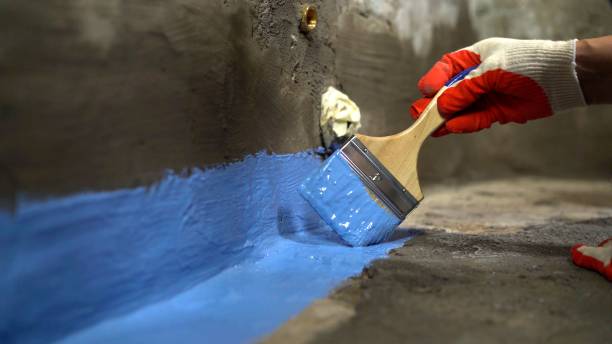
We install vapor barrier systems under flooring or as a standalone moisture management layer in unfinished basements.
Drainage board integration is recommended for Spring Valley basements that experience both seasonal dampness and occasional liquid intrusion.
In high-humidity areas of Spring Valley, WI, a vapor barrier alone may not be sufficient to control crawl space moisture during peak summer months.
We offer post-installation inspections for vapor barriers installed by other contractors, as well as for our own older installations, to assess barrier condition, seam integrity, and wall coverage completeness.
We measure the space, assess existing moisture conditions, document any existing barrier or mold, and identify all penetrations that will need to be addressed in the installation
Based on site conditions, we specify the appropriate mil rating, calculate material quantities, and plan the seaming layout for maximum coverage and minimum waste
Sheeting is laid, overlapped at 12 inches minimum, taped with butyl tape at all seams, and extended up all walls with mechanical fastening at the top edge
We walk through the completed installation with you, confirm all seams and coverages are complete, and provide written warranty documentation before leaving
"We had a previous vapor barrier installation that was barely 6-mil and had separated seams throughout. The humidity in our crawl space was unacceptable and we were starting to see mold on the floor joists. JCB Waterproofing and Construction completely replaced the barrier with a 20-mil system properly taped and sealed wall-to-wall. The difference in our indoor air quality was noticeable within a week."
"Very professional team that explained the difference between the grades of vapor barrier sheeting before recommending anything. They went with 20-mil for our space and the installation looks perfect. We can already see the humidity meter reading dropping consistently."
"The crew extended the barrier all the way up the walls to the sill plate, which the contractor who did our original installation did not do. We had been missing that wall coverage and did not even know it. Great work from a team that clearly knows what they are doing."
Do not let ground moisture continue to damage your floor framing and indoor air quality